Numb, Exhausted, and Done Pretending You're Fine?
You don't want to just get through the day. You want to live again. See if TMS therapy in Provo fits you.
Free consult. No deposit. No obligation. What you pay for TMS depends on your plan. Or call (385) 207-2211.
Depression Care That Starts With Clarity
When depression drains your battery, your life feels smaller.
Depression does not always look dramatic. Sometimes it looks like forcing yourself through the day, coming home empty, avoiding people you love, or wondering why nothing has helped enough yet.
TMS evaluation for depression
A consultation helps you understand whether TMS may fit your depression care plan.
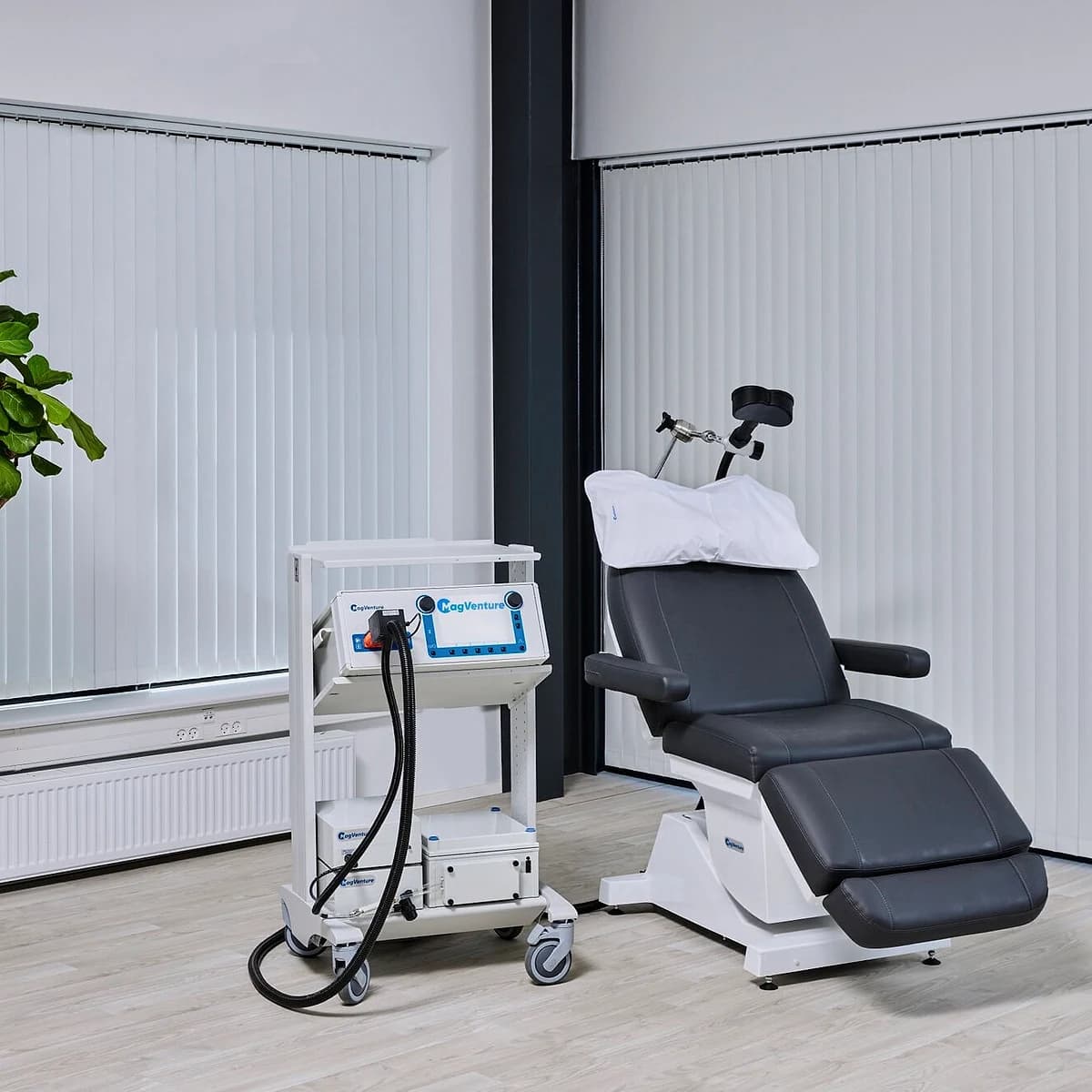
TMS uses a coil near the scalp to deliver magnetic pulses to a clinician-selected target.
RSLNT uses the MagVenture MagPro R30 and tracks symptoms during care. Some people describe tapping; some have temporary scalp discomfort or headache. The consult helps the clinical team decide whether TMS, counseling, medication management, or another next step makes sense.
Protocol-specific session length
A clinician explains your schedule
Clinical screening
Eligibility is individual
Progress Tracked
PHQ-9 and symptom check-ins
PHQ-9
tracked through
treatment
Care Options After The Consult
TMS leads the conversation. The care plan still fits the person.
View all RSLNT servicesDepression
TMS may be an option when antidepressants have not helped enough. The first step is a clinical fit review.
Learn moreAnxiety Symptoms
When anxiety shows up alongside depression, RSLNT reviews the full care picture before recommending a path.
Learn morePTSD Symptoms
Trauma-informed care for veterans, First Responders, and survivors. Counseling, medication management, and careful TMS evaluation when depression is part of the picture.
Learn moreOCD
TMS may be part of an OCD treatment plan when clinically appropriate, alongside therapy and medication management.
Learn moreMedication Management
Evidence-based psychiatric prescribing in Provo with follow-up. RSLNT Wellness accepts TRICARE, TriWest and VA Community Care. VA Community Care usually starts with a VA referral, and we confirm referrals and benefits at your consult.
Learn moreIf you carried more than most people saw
Military service, emergency response, and public safety work can train people to keep moving even when they are drained. RSLNT offers private, clinical support for depression care, including TMS when it is appropriate.
Open for patients. Clear next steps.
RSLNT Wellness accepts TRICARE, TriWest and VA Community Care. VA Community Care usually starts with a VA referral, and we confirm referrals and benefits at your consult.
Responder-Aware Care
Support for police, fire, EMS, dispatch, and corrections stress without making you explain the job from scratch.
Confidential & Judgment-Free
Your service matters. Seeking help should feel private, direct, and respectful.
Without A Clearer Next Step
- ✕ The same heaviness keeps taking energy from the day
- ✕ Another round of guessing feels exhausting
- ✕ Connection, patience, and motivation can feel farther away
- ✕ It gets harder to know what to ask for next
With RSLNT Wellness
- You ask whether TMS may be next.
- You understand the process before you decide.
- Your plan is based on fit and follow-up.
- You don’t have to guess what to ask for.
Frequently Asked Questions
Everything you need to know about TMS
What does TMS feel like?
The most common side effect is mild scalp discomfort.
MagVenture MagPro R30, FDA-cleared for major depressive disorder.
How long does treatment take?
Session length and visit schedule depend on the selected protocol and treatment plan. A clinician explains the schedule before treatment begins.
Does insurance cover TMS?
RSLNT Wellness works with VA Community Care, TRICARE West and TriWest, plus the payer families listed on our insurance page. Coverage, referrals, and authorization depend on your exact plan; we review your card and benefits with you at a consult.
Is TMS a fit for you?
Not sure if TMS fits you? A free consult checks your history and goals.
MagVenture MagPro R30, FDA-cleared for major depressive disorder.
RSLNT offers condition-specific TMS protocols for depression, OCD, anxiety, and PTSD. A clinician reviews your symptoms, history, and safety factors to explain which protocol may fit.
Is TMS right for me?
TMS is not right for everyone. A clinician reviews your history, safety factors, possible side effects, and alternatives before recommending care.
When will I start feeling better?
Response varies. Some people notice changes during the course, while others need more time or a different care plan. The clinical team will discuss what to expect before treatment starts.
Book your free consultation
This takes about 2 minutes. Your answers help the team prepare for you.
Prefer to talk? Call us directly:
(385) 207-2211RSLNT Wellness is not emergency care. If you are in crisis, call or text 988, or call 911. Veterans can call 988 and press 1.