
Suicide Awareness in Utah: How Community Support Helps Families
 Isaac Toleafoa · Founder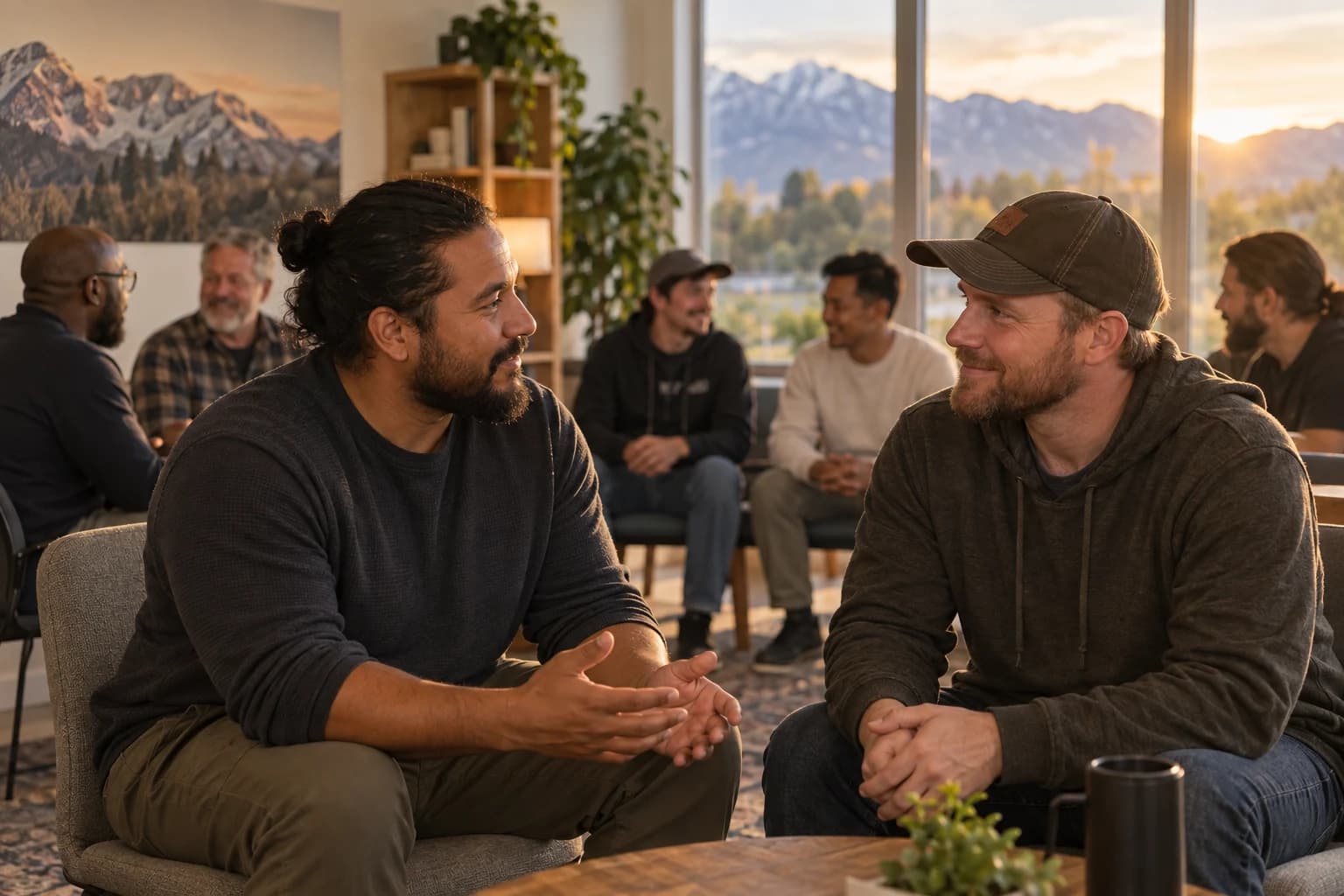
Community partner spotlight
Connection, compassion, and a clearer next step
RSLNT Wellness is proud to partner with Joe Tuia'ana and the i love you, bro PROJECT. Their community-first message helps open the conversation; this article explains how family support, 988, and clinical care can work together.
Read the full partnership storyTable of contents
- Why suicide awareness belongs in everyday community life
- Joe Tuia'ana and the story behind i love you, bro PROJECT
- What the RSLNT Wellness partnership adds
- How to talk with someone you are worried about
- What families and friends should remember
- When it is time to bring in clinical care
- RSLNT Wellness can guide the next clinical step
- What 988 can do for a person or a loved one
- A simple support sequence to remember
- Why this partnership matters in Utah
- Sources and further reading
- Frequently asked questions
When someone you love is struggling, the hardest part is often not caring. It is knowing what to say, what to do, and when the situation needs more help than a family member or friend can safely provide.
Suicide awareness in Utah starts with a simple idea: people should not have to carry unbearable pain in isolation. Community connection can help someone feel seen. Family and friends can help keep a person connected to support. Licensed clinicians can help assess symptoms, safety, and appropriate care. These roles are different, but they do not have to compete.
RSLNT Wellness is partnering with the i love you, bro PROJECT and founder Joe Tuia'ana to help make that bridge easier to find. The project brings a community-first message of love, presence, and hope. RSLNT Wellness is the clinical guide in Provo and Utah County: helping people and families understand whether counseling, medication management, or a TMS evaluation is the right next step.
This article is educational. It is not a diagnosis, a personalized safety plan, or emergency care. If someone may be in immediate danger, call 911 or go to the nearest emergency department. For free, confidential crisis support in the United States, call or text 988 or use the 988 Lifeline chat.
Why suicide awareness belongs in everyday community life
Suicide prevention is not only the responsibility of hospitals, therapists, or crisis lines. The CDC describes suicide prevention as a public health effort that includes individual, relationship, community, and societal factors. That matters because many support moments happen before a person reaches a clinic: in a kitchen, a car, a workplace, a faith community, a gym, a school pickup line, or a late-night phone call.
Awareness gives people a chance to notice a change and respond with care. Someone may be withdrawing, talking as if they are a burden, losing hope, giving away meaningful belongings, using more alcohol or drugs, or saying that other people would be better off without them. One sign does not tell you what is happening, and you should not try to diagnose a friend from a list. It does tell you that a gentle, direct check-in may be worth making.
The goal of a check-in is not to interrogate someone or force them to explain everything. It is to communicate three things: I see that something is different, I am willing to listen, and we can bring in more support if we need it.
Joe Tuia'ana and the story behind i love you, bro PROJECT
The i love you, bro PROJECT began with Joe Tuia'ana and his daughters encountering a man in a suicide crisis. Joe describes responding with a human message of love and staying present with the person. The phrase “I love you, bro” became more than a sentence. It became a reminder that a person in pain is still a person worthy of dignity, attention, and connection.
You can read the partner's full account on the official i love you, bro PROJECT Our Story page. You can also meet Joe and the people building the mission on the project's official team page.
Joe's story is not a promise that one phrase will solve a crisis. It is a picture of what can happen when someone refuses to look away. That distinction matters. Compassion is powerful, and compassion should lead toward appropriate support rather than replacing it.
What the RSLNT Wellness partnership adds
The i love you, bro PROJECT and RSLNT Wellness serve different but connected needs.
The community role is about opening the door. It is about showing up, using caring language, reducing shame, and helping people remember that they are not invisible. It may look like a friend checking in, a family member listening without trying to win an argument, or a community leader helping someone find a resource.
The clinical role is about careful evaluation and treatment planning. RSLNT Wellness is the guide—not the hero of the story—helping a person or family understand symptoms, safety factors, goals, and the level of care that fits the situation. That may lead to counseling in Provo, medication management, a TMS evaluation in Provo, a referral, urgent support, or a decision to start somewhere else.
Partnership does not mean that RSLNT speaks for i love you, bro PROJECT or that the project provides clinical care. It means we are aligned around a practical outcome: people and families should have a clearer path from concern to connection to qualified help.
How to talk with someone you are worried about
You do not need a perfect script. You need enough steadiness to be present and honest.
Start with what you notice
Try, “I have noticed you seem more withdrawn lately, and I care about you. How are you really doing?” Specific observations are often easier to receive than a broad question such as “What is wrong with you?”
If you are worried about suicide, you can ask directly and calmly whether the person is thinking about suicide or has been thinking about hurting themselves. Use plain language. Do not turn the question into a debate, a lecture, or a test they have to pass.
Listen without making promises you cannot keep
Helpful words can be simple: “I am glad you told me,” “I am here with you,” and “We can find support together.” Avoid promising secrecy if someone may be in immediate danger. You can protect trust while still bringing in the help needed to keep them safe.
Listening does not mean agreeing with every conclusion a person has reached. It means making room for them to describe what the pain feels like before you rush to correct it. If you feel out of your depth, say so with care: “I love you, and I do not want to handle this alone. Let us call someone who knows how to help.”
Help reduce the distance to support
Offer a concrete next step. You can sit with the person while they call 988, drive them to an emergency department, help them contact a clinician, or reach out to another trusted adult. If the person is in immediate danger, call 911 and follow the dispatcher’s direction.
If the concern is ongoing but not an immediate emergency, help them make an appointment, write down questions, or identify who will check in later. Small practical actions matter because distress can make ordinary planning feel impossible.
What families and friends should remember
You can be deeply supportive without becoming someone else's only support system. A family member may provide transportation, encouragement, meals, childcare, or a calm place to talk. A friend may be the person who notices a change first. Neither role requires you to diagnose the person or manage a crisis without help.
The CDC identifies supportive relationships, social connection, access to high-quality behavioral healthcare, and coping and problem-solving skills among protective factors. Connection is not a magic shield, and no family should be blamed when someone is suicidal. The point is that supportive relationships and professional care are meaningful parts of a larger prevention effort.
Make a plan for your own limits. Decide who else can be involved, how you will respond if risk escalates, and how you will take care of yourself after a difficult conversation. If children or teens are involved, bring in an appropriate adult and qualified professional rather than placing the responsibility on the young person.
When it is time to bring in clinical care
Clinical support is worth considering when depression, anxiety, trauma symptoms, substance use, grief, sleep disruption, hopelessness, or isolation are affecting daily life. It is also appropriate when a person keeps saying they cannot do this anymore, has experienced repeated crises, or is struggling to stay connected to work, school, relationships, or basic routines.
RSLNT Wellness offers counseling in Provo, along with medication management and other mental health services. The first conversation is not a commitment to a specific treatment. It is a chance to explain what has been happening, ask questions, review safety needs, and understand what options may be appropriate. If the right next step is outside RSLNT, responsible care may include helping the person find a different resource.
RSLNT Wellness can guide the next clinical step
When the problem has a name—depression, OCD, PTSD, anxiety, or another mental health concern—you still do not have to choose the path alone. RSLNT Wellness in Provo starts with a clinical conversation that looks at symptoms, history, safety, goals, and what has or has not helped before.
For eligible adult depression, TMS therapy in Provo may be considered after evaluation. For certain OCD protocols, your clinician will review whether the specific protocol and device are appropriate. PTSD and anxiety care often begins with trauma-informed counseling, anxiety treatment, or medication management; when major depression is also part of the picture, TMS may be considered as one part of a broader plan. Fit and treatment decisions are individualized—you are not promised a protocol before you are evaluated.
If you are ready to talk through options, use the RSLNT contact page. No online article can tell you which treatment is right for a particular person, but the right guide can help make the next step clearer.
What 988 can do for a person or a loved one
The 988 Suicide & Crisis Lifeline provides free, confidential support by call, text, and chat in the United States. You can contact 988 for yourself or because you are worried about someone else. The service can help you talk through what is happening and consider immediate next steps.
988 is not a replacement for emergency response when someone is in immediate physical danger. If there is an active attempt, an injury, an imminent threat, or another emergency, call 911 or go to the nearest emergency department. When you call or text 988, explain clearly what you know, where the person is, and whether there is an immediate danger.
A simple support sequence to remember
When your mind goes blank, remember this sequence:
- Notice. Pay attention to meaningful changes and take concerning words seriously.
- Ask. Use caring, direct language. Ask whether the person is thinking about suicide or self-harm when that is your concern.
- Stay. Keep the person connected and do not leave them alone if there is immediate danger while you contact emergency help.
- Connect. Bring in 988, 911, a qualified clinician, a trusted family member, or another appropriate resource.
- Follow up. Check in again. Support is not only the first conversation.
This sequence is not a substitute for professional training or a formal safety plan. It is a way to turn care into action when someone needs a next step.
Why this partnership matters in Utah
Utah communities are built on relationships. That can be a strength when it means people notice one another, but it can also make mental health struggles feel private, shameful, or difficult to name. Suicide awareness helps change the question from “Why did nobody know?” to “How can we make it easier to speak, listen, and connect earlier?”
The i love you, bro PROJECT brings a clear public message: you matter, and you should not have to face a crisis without human connection. RSLNT Wellness brings the guide role: you can ask questions, be evaluated, and understand whether counseling, medication management, or a TMS evaluation in Provo may fit the clinical picture. Together, those messages serve the person, the family, and the friends who are trying to help.
If you are supporting someone today, start small. Send the text. Make the call. Sit in the room. Ask the direct question. Contact 988 when you need crisis support. Contact a qualified clinician when ongoing symptoms need care. You do not have to have every answer to help make the next step less lonely.
Sources and further reading
- i love you, bro PROJECT: Our Story — the partner's account of Joe Tuia'ana's founding moment and the project's mission.
- i love you, bro PROJECT: Team — official founder and team information.
- 988 Suicide & Crisis Lifeline — call, text, and chat support for people in crisis and people worried about someone else.
- CDC: Suicide Prevention — prevention actions, support, and community connection.
- CDC: Suicide Risk and Protective Factors — factors that can increase risk and factors that may help protect health.
- CDC: Public Health Strategy for Suicide Prevention — the role of partnerships and connected communities in prevention.
Frequently asked questions
What is suicide awareness?
Suicide awareness means learning to recognize concerning changes, talk about suicide directly and compassionately, connect people with crisis or clinical support, and reduce the isolation and shame that can keep people from asking for help. Awareness does not replace a safety plan, emergency response, or treatment.
How can I help a friend who may be suicidal?
Stay calm, name what you have noticed, ask directly whether they are thinking about suicide, listen without judgment, and connect them with appropriate support. Call or text 988 for free, confidential crisis support. If there is immediate danger, call 911 or go to the nearest emergency department.
Can I call 988 for someone else?
Yes. The 988 Suicide & Crisis Lifeline supports people who are worried about someone else as well as people experiencing a crisis themselves. Explain what you know and where the person is so the counselor can help you think through the next step.
What does RSLNT Wellness do in this partnership?
RSLNT Wellness is the clinical guide. In Provo, the team helps people understand possible next steps such as counseling, medication management, and TMS evaluation when clinically appropriate. RSLNT does not replace 988, emergency services, or the community support provided by i love you, bro PROJECT.
Can RSLNT help with depression, OCD, PTSD, or anxiety?
Yes, RSLNT can help evaluate the full picture and guide the next step. TMS may be considered for eligible depression and certain OCD protocols after clinical evaluation. PTSD and anxiety care may include counseling or medication management, and TMS may be considered when major depression is also part of the clinical picture. Your clinician determines fit, safety, and treatment planning.
What does i love you, bro PROJECT do?
i love you, bro PROJECT is a community-focused suicide awareness and connection initiative founded by Joe Tuia'ana. Visit the official website for the project's current mission, programs, and contact information.
Ready to feel like yourself again?
Schedule a free consultation to see if TMS therapy is right for you.
Book Your Consultation